
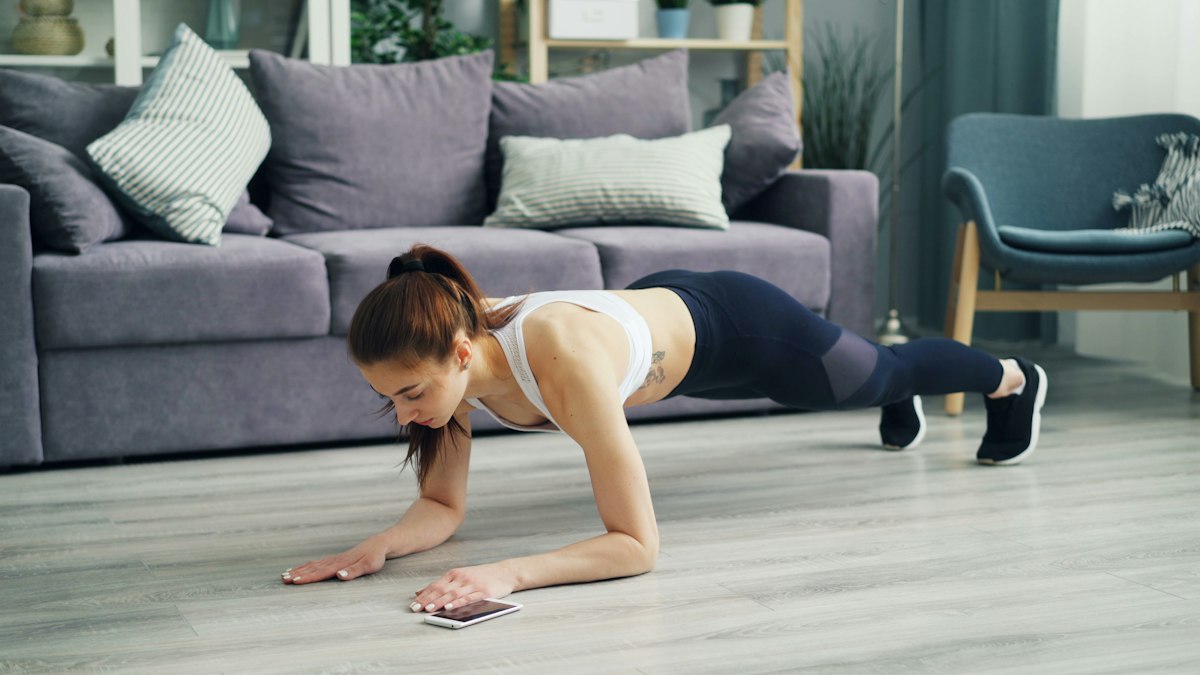
Diastasis recti and pelvic floor issues come up constantly with postpartum clients, usually alongside a hope that the right core exercises will "fix" the gap in their abs. The honest, research-backed answer is more nuanced than most fitness content lets on — and it's still genuinely useful.
How Common Diastasis Recti Actually Is
Diastasis recti abdominis — the separation of the two sides of the rectus abdominis muscle along the midline — affects up to an estimated 60% of women during and after pregnancy, according to research cited in physical therapy literature on the condition. It's driven by the abdominal wall stretching to accommodate a growing pregnancy, and for many women it doesn't fully resolve on its own afterward.
What the Strongest Evidence Actually Shows About Exercise
A systematic review and meta-analysis published in Physiotherapy in 2023, led by researcher Deenika Benjamin and colleagues, pooled data from 16 randomized controlled trials involving 698 postnatal women to answer a direct question: does exercise actually close the gap? The results: abdominal exercise did produce a statistically measurable reduction in the distance between the two sides of the muscle — but the average reduction was only about 0.43 cm. Given that diastasis is typically defined as a separation greater than 2.2 cm, a change of less than half a centimeter is not considered clinically meaningful.
The researchers' direct conclusion: conservative interventions like targeted exercise do not lead to clinically significant reductions in the actual gap — but they explicitly noted that abdominal exercise "may have other physical and psychosocial benefits" for postnatal women, even without closing the separation itself.
Why Core and Pelvic Floor Training Is Still Worth Doing
This is the important nuance: even though exercise isn't proven to meaningfully shrink the physical gap, it's not pointless. Research on pelvic floor and core-strengthening exercise after childbirth has shown real benefit for reducing stress urinary incontinence — a common and under-discussed postpartum issue directly related to pelvic floor function. Core-strengthening work is also linked to easing postpartum low back pain, which is extremely common as the body readjusts after pregnancy and delivery.
So the honest framing is: core and pelvic floor training after pregnancy is genuinely valuable for function, symptom relief, and overall recovery — just not because it's likely to visibly close a diastasis gap on its own.
A Sensible, Evidence-Aligned Approach
- Start with pelvic floor and deep core activation (think diaphragmatic breathing, gentle transverse abdominis engagement) before progressing to more demanding ab work, especially in the early postpartum period.
- Don't chase "closing the gap" as the main goal. Train the core and pelvic floor for strength, function, and symptom relief — real benefits the research does support.
- Get individually assessed if you're dealing with a significant diastasis or symptoms like incontinence or pelvic pressure — a pelvic floor physical therapist can evaluate severity and guide a progression that's appropriate for your specific case, which general fitness content can't do.
- Be patient and don't judge progress by the mirror alone. Reduced back pain, better core control, and less leaking during exercise are real wins, even if the visible gap looks similar.
The Takeaway
The research is refreshingly honest here: targeted ab exercise is unlikely to meaningfully close a diastasis gap on its own, but that doesn't make core and pelvic floor training a waste of time. It's genuinely useful for reducing incontinence, easing back pain, and rebuilding functional strength after pregnancy — just don't expect it to be a cosmetic fix.
References
- Benjamin, D. R., Frawley, H. C., Shields, N., Peiris, C. L., van de Water, A. T. M., Bruder, A. M., & Taylor, N. F. (2023). Conservative interventions may have little effect on reducing diastasis of the rectus abdominis in postnatal women – a systematic review and meta-analysis. Physiotherapy.
Discussion